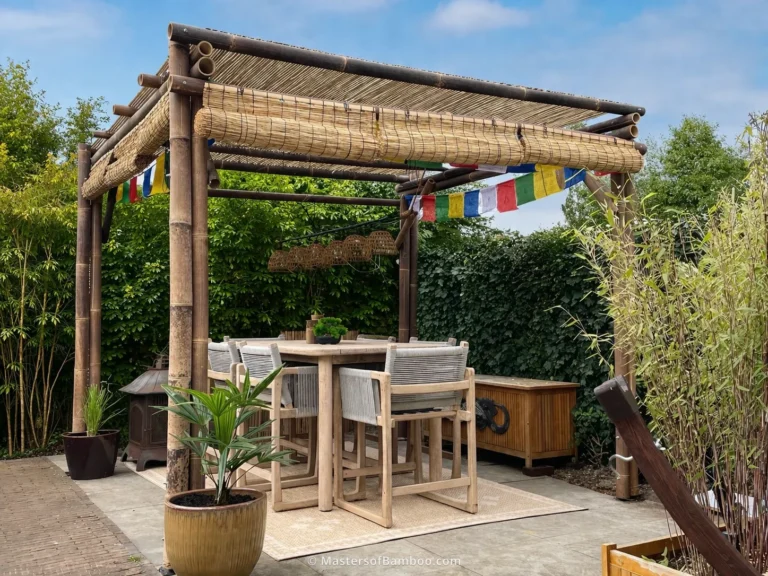
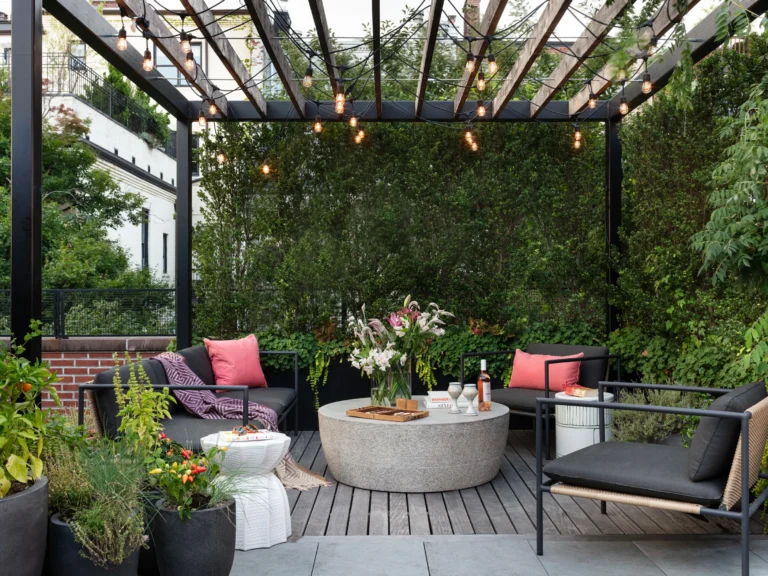
There is no romance quite like a pergola draped in cascading wisteria — the French call it glycine, and it turns any outdoor structure into a living, breathing piece of art. A glycine pergola is not just a garden feature; it is a destination. Imagine sitting beneath a ceiling of purple flowers, the scent of blooming wisteria heavy in the air, dappled sunlight filtering through the vines onto a rustic dining table. You’ll discover that a pergola covered in wisteria creates a space that feels both grand and intimate, like a hidden courtyard in an ancient villa.
These glycine pergola ideas will inspire you to transform your patio, garden, or backyard into a purple-draped sanctuary. From outdoor dining areas with wicker furniture to cozy seating nooks under flowering arbors, from stone benches surrounded by cascading blooms to string lights woven through wisteria vines, you’ll learn to create an outdoor room that is magical in spring, lush in summer, and architecturally beautiful even in winter. Like a meadow that blooms overhead, a glycine pergola turns your garden into a place where every meal feels like a celebration.
1. DIY Wisteria Arbor: Build Your Own Glycine-Covered Retreat
Build your own wooden pergola and train wisteria up the posts, creating a homemade glycine pergola that will mature into a purple paradise over a few seasons. You’ll love the satisfaction of watching your structure disappear under a cascade of blooms, like a skeleton dressed in living velvet. The DIY process is a labor of love that rewards you for years.
A self-built glycine pergola doesn’t need to be massive. Start with four sturdy cedar posts, a few crossbeams, and a sunny location. Plant wisteria at each post, water regularly, and train the main vine upward. Within 3-5 years, you’ll have a flowering canopy. The structure provides shade even before the vines fill in, making it a year-round garden asset.
2. Cascading Canopy: Purple Blooms Spilling Over a Wooden Pergola
Watch as heavy clusters of purple wisteria drip from every beam of a wooden pergola, creating a living ceiling of flowers. This classic glycine pergola scene is what garden dreams are made of — the blooms hang so thickly they obscure the wood beneath. You’ll feel transported to a Japanese garden or an Italian villa, where time slows down under the weight of petals.
To achieve this look with your glycine pergola, plant Chinese wisteria (Wisteria sinensis), which blooms on bare wood before leaves emerge, creating a pure curtain of purple. Prune twice a year — once in summer after blooming, once in winter to shape. The effect is nothing short of magical, a floral chandelier that changes with the light.
3. Wicker & Wisteria: A Cozy Seating Nook Under a Flowering Pergola
Arrange plush wicker furniture beneath your glycine pergola, creating an outdoor living room that feels both elegant and relaxed. You’ll adore how the natural texture of the wicker echoes the organic forms of the vines above, while the purple flowers provide a royal canopy. Add cozy cushions and a small side table for morning coffee or evening wine.
A seating area transforms your glycine pergola from a passageway into a destination. Choose weather-resistant wicker and fade-resistant cushions in neutral tones — let the wisteria be the star. Position the furniture to face the garden view, with the pergola framing the scene like a living picture frame. This becomes your favorite spot for reading, napping, or entertaining.
4. Al Fresco Dining: A Table for Eight Under a Wisteria Canopy
Set a long wooden dining table under a wisteria-covered pergola, and every meal becomes a garden party. This glycine pergola setup is perfect for summer dinners, where the flowers overhead filter the setting sun. You’ll love how the purple blooms reflect onto white plates, and how the gentle rustle of vines becomes your dinner music.
For a dining glycine pergola, choose a table that fits comfortably under the structure, leaving room for chairs and passing. Add outdoor string lights woven through the vines for evening ambiance. Plant wisteria on all four posts so the canopy eventually connects overhead. Your dinner guests will never want to leave.
5. Casual Lawn Lounge: Simple Chairs Under a Blooming Pergola
Place two simple Adirondack chairs or a wooden bench under your glycine pergola, creating a quiet spot to watch the garden grow. This unfussy approach lets the wisteria take center stage. You’ll appreciate how the structure provides shade on hot afternoons, while the flowers offer a gentle, perfumed breeze.
A minimalist glycine pergola setup is perfect for smaller gardens or for those who prefer restraint. Use neutral-colored chairs that blend with the wood. Add a small side table for a book or drink. The simplicity highlights the architecture of the pergola and the wild beauty of the wisteria, like a haiku in your backyard.
6. Purple Rain: A Dining Area Immersed in Wisteria Blooms
Dine surrounded by such dense wisteria that you feel like you’re eating inside a purple cloud. This immersive glycine pergola experience is the ultimate expression of the structure. You’ll feel the petals occasionally drift onto your shoulders like confetti, and the scent will infuse every dish with a hint of romance.
To achieve this dense coverage, plant multiple wisteria vines around your glycine pergola — at least one per post, plus additional vines along the sides. Prune to encourage branching. Be patient; it takes 5-7 years for wisteria to reach this level of maturity. The wait is worth it for a dining room that blooms.
7. Construction Guide: Building a Pergola for Climbing Wisteria
Design your pergola with wisteria in mind: sturdy posts, thick crossbeams, and a lattice or wire system for the vines to grip. This structural glycine pergola approach ensures the wood can handle the weight of mature vines. You’ll appreciate that good planning now prevents a collapsed structure in a decade.
When building a glycine pergola, use pressure-treated or naturally rot-resistant wood like cedar or redwood. Posts should be at least 6×6 inches to support mature wisteria. Add horizontal wires or a wooden lattice on top for vines to twine. Plan for a height of at least 8 feet so you can walk under the blooms without ducking.
8. Stone & Wisteria: Permanent Benches Under a Flowering Arbor
Install a pair of stone or concrete benches beneath your glycine pergola, creating a timeless garden destination. The cool stone contrasts beautifully with the soft, living flowers above. You’ll love how the benches become warm from the sun, then cool in the evening — a perfect spot for reflective moments.
Stone benches are a permanent feature that will outlast several generations of wisteria. In a glycine pergola, they anchor the structure and provide seating that needs no cushions. Add a small stone table between them for books or tea. The ensemble feels like a ruin from a forgotten monastery, reclaimed by purple flowers.
9. Wicker & Purple Cushions: Coordinated Comfort Under the Arbor
Coordinate your outdoor cushions in shades of purple to echo the wisteria blooms above. This harmonious glycine pergola design ties the space together visually. You’ll appreciate how the purple pillows, throws, and seat cushions make the area feel intentional, like a room extended into the garden.
Choose outdoor fabrics in lavender, violet, and mauve. Mix solid cushions with a few floral or striped patterns. In a glycine pergola, the wicker furniture provides neutral texture, the wood structure warmth, and the purple accents a unified palette. Add a purple-flowered potted plant on the table for an extra echo.
10. Bistro Romance: A Small Table for Two Under Wisteria
Set a small bistro table and two chairs under your glycine pergola for intimate morning coffee or sunset wine. This cozy scale is perfect for smaller structures or for creating a private corner in a larger garden. You’ll love how the wisteria frames your faces, creating a floral proscenium for conversations.
A bistro setup works beautifully under a glycine pergola that’s attached to a house or wall. Use a round marble or metal table, and two lightweight chairs you can move into the sun if desired. The intimacy of the small scale makes the cascading flowers feel even more enveloping.
11. String Lights & Wisteria: Evenings Under a Illuminated Canopy
Weave outdoor string lights through the beams and vines of your glycine pergola for magical evening ambiance. The lights will make the purple flowers glow from within, turning the pergola into a lantern. You’ll adore how the combination of twinkling lights and dangling blooms feels like a fairy tale.
Use warm-white LED string lights with a weatherproof rating. Drape them in loose zigzags across the ceiling of your glycine pergola, tucking them among the wisteria branches. Turn them on at dusk, and watch as the purple flowers take on a golden, ethereal glow. Your garden becomes an evening destination.
12. Potted Companions: Pink Flowers at the Base of a Purple Pergola
Surround the base of your glycine pergola with large pots of pink geraniums, petunias, or roses. The pink against the purple wisteria creates a gorgeous analogous color scheme. You’ll love how the potted plants add color even before the wisteria blooms in spring and after it fades in summer.
Potted plants at the corners of your glycine pergola soften the transition from structure to ground. Use large terracotta or glazed ceramic pots. Change the flowers seasonally — tulips in spring, geraniums in summer, mums in fall. The pots also protect the wisteria roots from foot traffic and lawnmowers.
13. Stone Wall Backdrop: Wisteria Pergola Against a Historic Facade
Build your glycine pergola against an old stone wall or building, and let the wisteria climb both structure and wall. This European-inspired design creates a layered, centuries-old look. You’ll feel like you’ve stumbled into a Tuscan farmhouse or a French country garden, where purple blooms soften ancient stone.
Attach a wooden pergola to the exterior wall of a house, garage, or garden shed. Train wisteria up the pergola posts and also along wires on the wall. The stone provides a textured backdrop that makes the purple flowers pop. Add a dining table and chairs, and you have a courtyard feel even in a suburban backyard.
14. Purple Everywhere: Potted Wisteria and Matching Flowers
Double down on purple by growing wisteria on your pergola and placing pots of purple flowers — lavender, petunias, and verbena — around the seating area. This monochromatic glycine pergola scheme is bold and romantic. You’ll appreciate how the varying shades of purple (from lavender to violet to deep plum) create depth without competition.
For a truly immersive glycine pergola experience, choose furniture in neutral wood or white, then let every plant in sight be purple. The effect is restful rather than boring because wisteria provides so much texture: the woody trunks, the green leaves, the cascading flowers. It’s purple in its most sophisticated form.
15. Rustic Table & Bench: Farmhouse Dining Under Wisteria
Place a long farmhouse table and wooden benches under your glycine pergola for rustic, family-style meals. The rough-hewn wood complements the natural, untamed quality of wisteria vines. You’ll love gathering here for summer barbecues, harvest dinners, or simple weekday suppers as the flowers drift down like snow in spring.
A farmhouse table under a glycine pergola should be made of weather-resistant wood (teak, cedar, or acacia). Leave it unsealed to develop a silver-gray patina, or oil it annually to preserve the honey color. Benches on both sides maximize seating and encourage conversation. The combination is casual, generous, and deeply inviting.
16. White Wisteria: A Rare, Ghostly Beauty Under the Pergola
Seek out the less common white-flowering wisteria (Wisteria sinensis ‘Alba’) for a ethereal, moonlight-tinged glycine pergola. The creamy white blooms glow in the evening and contrast beautifully with dark green leaves. You’ll feel like you’re dining under a canopy of stars, especially when white string lights are woven through the vines.
White wisteria is just as vigorous as purple but offers a completely different mood — serene, elegant, almost bridal. Under a glycine pergola, white flowers reflect more light, making the seating area feel brighter. Pair with white furniture or natural wood. Add white blooming annuals in pots below for continuity. It’s a subtler, cooler take on the wisteria pergola.
17. Covered Patio Extension: Wisteria as a Living Roof
Attach a pergola to your house, extending your covered patio into the garden with a wisteria-draped structure. This integrated glycine pergola blurs the line between indoors and out. You’ll appreciate how you can step from your kitchen directly into a flowering arbor, making alfresco dining effortless.
An attached glycine pergola uses your house wall as one side, requiring only three posts. It’s more affordable and creates a natural flow from indoor living spaces. Train wisteria up the house side using trellis or wires. In summer, the vine-covered pergola shades your patio, reducing cooling costs. It’s a living extension of your home.
18. Antique Gazebo: An Old Structure Revived by Wisteria
Restore an old wooden gazebo by planting wisteria at its base and letting the vines climb over decades-old wood. This glycine pergola variation feels like a secret garden discovered in an abandoned estate. You’ll love how the purple flowers contrast with the weathered, silver-gray wood, each enhancing the other’s beauty.
If you have an existing pergola, arbor, or gazebo that has seen better days, don’t tear it down — plant wisteria. The vines will soon cover imperfections, and the aged wood provides perfect texture for the vigorous climber. The combination of old wood and new blooms is deeply romantic, like a ruin reclaimed by nature.
19. Weathered Wood & Fresh Blooms: A Match Made in Heaven
Celebrate the contrast between old, weathered wooden posts and fresh, vibrant wisteria blooms. This glycine pergola aesthetic is pure rustic romance. You’ll feel the history in the wood and the urgency of the new flowers, a reminder that gardens are always becoming, never finished.
To achieve this look, build your glycine pergola from reclaimed barn wood or rough-sawn cedar that will weather quickly. Don’t seal or stain it — let nature do its work. The wood will turn silver-gray while the wisteria turns purple-green. Every year, the contrast becomes more beautiful, like a photograph aging into art.
20. Purple Cushions & White Wicker: A Fresh, Bright Combo
Choose white-painted wicker furniture with deep purple cushions for a bright, fresh look under your glycine pergola. The white reflects light up into the wisteria canopy, while the purple cushions echo the flowers above. You’ll adore how cheerful and inviting this combination feels, like a garden party waiting to happen.
White wicker needs protection from the elements; store cushions indoors when not in use, and cover the furniture in winter. But the look is worth the extra care. Under a glycine pergola, white furniture makes the purple flowers pop and creates a clean, crisp foundation for outdoor living.
21. Formal Dining Under Wisteria: Elegant Wicker & Glass Table
Host elegant dinner parties under your glycine pergola with a glass-topped table and dressed wicker chairs. The transparency of the glass lets the wisteria reflections dance on the surface. You’ll appreciate how the formal furniture contrasts with the wild, cascading flowers, creating a space that feels both refined and natural.
For a formal glycine pergola dining setup, use a round or rectangular glass table with a sturdy base. Choose wicker chairs with high backs and plush, removable cushions. Add a chandelier (hardwired or battery-operated) hanging from the pergola’s center beam. Table settings with purple napkins or floral centerpieces complete the look. Your garden becomes an outdoor banquet hall.
22. Japanese-Inspired Wisteria Pergola: A Zen Dining Experience
Create a Japanese-inspired glycine pergola with a low dining table, floor cushions, and carefully trained wisteria that frames the view rather than overwhelming it. This minimalist approach lets the structure and flowers breathe. You’ll love the sense of calm, where every element from the wood grain to the flower clusters feels intentional.
Japanese wisteria (Wisteria floribunda) has longer flower racemes that can reach 3 feet in length, creating a dramatic cascading effect. For a Zen glycine pergola, use natural wood without paint, choose neutral or charcoal cushions, and keep the space uncluttered. The flowers become a meditation, not a spectacle.
23. Multi-Level Planting: Wisteria Overhead, Potted Plants Below
Layer your plantings: wisteria on the pergola, large potted shrubs around the edges, and small flowering pots on the table. This lush glycine pergola approach creates a jungle-like, immersive feel. You’ll feel surrounded by flowers, leaves, and fragrance, as if you’re sitting in a hidden greenhouse that opens to the sky.
Choose potted plants with varying heights and textures — tall ferns, bushy hydrangeas, trailing ivy. In a glycine pergola, the vertical layers draw the eye from the ground pots up the posts to the flowering canopy. The sense of abundance is intoxicating, perfect for a garden that feels like a secret escape.
24. Deep Seating: Outdoor Couches Under a Wisteria-Covered Pergola
Sink into deep, cushioned outdoor couches under a glycine pergola, creating the ultimate relaxation zone. This living room setup invites lounging, napping, and long conversations. You’ll appreciate how the wisteria canopy provides dappled shade during the day and fragrant shelter at night, making the couches irresistible year-round.
For deep seating under a glycine pergola, choose weather-resistant modular sofas with removable, washable cushion covers. Add a large coffee table for drinks and books. Use outdoor curtains on the sides of the pergola for privacy or wind protection. The result is a true outdoor living room, with the wisteria as your living ceiling.
🍇 Purple Canopy Primer: 5 Essential Secrets for a Thriving Glycine Pergola
- 🏗️ Strong Bones First: Wisteria becomes incredibly heavy as it matures — a mature vine can weigh hundreds of pounds. In glycine pergola construction, use 6×6 or larger posts sunk in concrete, and 4×6 or larger beams. Never use flimsy lumber or unreinforced structures. A pergola that can’t support the weight will warp, lean, or collapse. Build like you’re constructing a bridge, because in a way, you are — a bridge for a living, growing, heavy plant. Cedar, redwood, or pressure-treated pine are your friends.
- ✂️ Pruning Discipline: Wisteria requires pruning twice a year to bloom well and stay in bounds. In summer (July-August), cut back long, whippy shoots to 6-8 inches. In winter (January-February), cut back those same shoots to 2-3 buds. On a glycine pergola, this pruning encourages the formation of flower buds rather than endless leafy growth. Miss a year of pruning, and you may miss a year of blooms. The plant’s vigor is legendary — you must be its disciplined partner.
- 🌱 Patience, Young Gardener: Wisteria grown from seed can take 10-15 years to bloom. For a glycine pergola, always buy grafted or cutting-grown plants from a reputable nursery, which will bloom within 3-5 years. Even then, the first few years are about root and stem growth, not flowers. In the meantime, enjoy the lush green canopy and the architectural structure. The purple explosion will come — and when it does, you’ll feel like you’ve earned every single bloom.
- 💧 Deep Watering, Infrequent: Once established, wisteria is drought-tolerant but blooms best with consistent moisture. Water your glycine pergola deeply once a week during dry spells, soaking the root zone. Avoid frequent, shallow watering, which encourages surface roots. Mulch around the base to retain moisture and suppress weeds. Good drainage is essential — wisteria hates soggy feet. Think of the root zone as a deep well, not a shallow puddle.
- 🪑 Furnish for Flow: Leave at least 3 feet of clear walking space under your glycine pergola after placing furniture. The structure should feel inviting, not cramped. Choose furniture that can be easily moved for pruning and cleaning. Consider the sun angle — if your pergola provides full shade, any furniture works; if it’s dappled light, avoid materials that fade. The best glycine pergola arrangements feel like outdoor rooms, not obstacle courses. Your furniture should serve the space, not fight it.
Frequently Asked Questions
Q: Is wisteria difficult to grow on a pergola?
Ans: Wisteria is surprisingly easy to grow — almost too easy. It’s vigorous, adaptable, and forgiving of many soils. The challenge of a glycine pergola is not getting wisteria to grow, but controlling its growth. You must prune twice a year without fail, or it will take over your pergola, gutters, and nearby trees. If you commit to the pruning schedule, you’ll be rewarded with spectacular blooms. If you neglect it, you’ll have a green monster. Approach with respect, not fear.
Q: How long does it take for wisteria to cover a pergola?
Ans: With good care, a young grafted plant can reach the top of an 8-foot pergola in its second year and begin covering the top in its third. Full coverage of a glycine pergola (obscuring most of the wood) typically takes 5-7 years. Blooming often begins in year 3-5, but full, spectacular flowering may take 7-10 years. Patience is essential. Enjoy the process — watch the vine climb, train it carefully, and know that each year brings you closer to your purple canopy.
Q: Can wisteria damage my pergola or house?
Ans: Wisteria is strong enough to warp flimsy pergolas, lift roof shingles, and grow into window frames. For a safe glycine pergola, build with sturdy lumber (6×6 posts minimum). Keep vines away from house siding, gutters, and roofs — train them onto the pergola only. Never let wisteria climb a wooden house wall directly; use a freestanding pergola or a trellis held away from the siding. Annual pruning keeps the plant manageable. Respect its strength, and it will be a beautiful partner, not a destructive invader.
Q: Does wisteria bloom all summer?
Ans: Most wisteria varieties bloom heavily in spring for 2-4 weeks, then produce occasional scattered blooms through summer. For continuous summer color on your glycine pergola, choose a reblooming variety like ‘Amethyst Falls’ or ‘Blue Moon,’ which flower repeatedly from late spring to early fall. You can also plant a clematis or climbing rose to intermingle with the wisteria, providing color after the main bloom. The foliage itself is lush and attractive all season, even without flowers.
Q: Can I grow wisteria in a pot on my pergola?
Ans: Yes, but it requires diligent care. For a container-grown glycine pergola, use a half-barrel or very large pot (at least 24 inches deep and wide). Choose a slow-growing or dwarf variety like ‘Wisteria frutescens’ or ‘Amethyst Falls.’ Water frequently — pots dry out faster than ground soil. Fertilize sparingly. Prune roots every 3-4 years. Expect less vigorous growth and fewer blooms than in-ground plants. For most people, planting in the ground is easier and yields better results on a glycine pergola.
Conclusion
You have wandered through a world of purple-draped structures, from rustic farmhouse pergolas to elegant wicker dining nooks. Each glycine pergola image whispered the same truth: a structure covered in wisteria is not just a garden feature — it is a destination, a mood, a memory waiting to happen. Like a meadow that blooms overhead, your glycine pergola will become the heart of your outdoor living, a place where meals taste better, conversations last longer, and time seems to slow down under the weight of cascading flowers.
Now it is your turn to plant the vine. Go find a sunny spot, sink sturdy posts, and choose a grafted wisteria. Build your glycine pergola with patience, prune with discipline, and furnish with love. In a few years, you’ll sit beneath a living canopy of purple, the scent of blooms in the air, and know that you built this — not just the wood, but the entire experience. Your garden is waiting to bloom overhead. 🌸🍇🏛️